福岡

KYusHu

fukuoKA

Plan your first visit: neighbourhoods, food, temples, and day trips.

Explore Fukuoka

Plan your first visit to Fukuoka

For a first visit, allow two full days in the city and add a third for one day trip. Stay near Hakata Station if trains and arrival-day convenience matter most; choose Tenjin for shopping and evenings out. You can cover the main city sights with walking and public transport.

A car is useful for a day of scattered coastal stops, but adds little to a central-city stay.

Fukuoka works particularly well for food, a manageable walk through older Hakata, and time by a park or the sea. Start with those three things rather than treating every attraction as essential. With only one day, keep to central Hakata and Tenjin.

With three nights, check your flight times: a late arrival and early departure still leave only two full days.

On this page

Where to stay: Hakata, Tenjin or Nakasu?

  • Hakata Station: choose this for an early train, onward travel around Kyushu or a short stay with luggage. Both sides have hotels and restaurants. Hakata-guchi is the west side, towards KITTE and the bus terminal; Chikushi-guchi is the east side, used by the direct international-airport bus. Check the hotel’s actual exit and walking route, not just “near Hakata”.
  • Tenjin, Daimyo and Akasaka: choose this for shopping, cafés and a wider evening route on foot. Tenjin on the Airport Line, Tenjin-minami on the Nanakuma Line and Nishitetsu Fukuoka (Tenjin) railway station are different stations. Use the one nearest your hotel or next journey.
  • Nakasu-Kawabata and Gion: useful between the station area and Tenjin, with access to the river, temples and Canal City. Nakasu includes nightlife streets, so check recent reviews for noise and the exact block if an early night matters.
  • Ohori or Momochi: consider these when the park or waterfront is the main reason for your stay. Allow more travel for early trains and repeated visits to central Hakata.

My planning recommendation: Hakata for the simplest first arrival and rail connections; Tenjin if you expect to spend most evenings there. Keep one base for a short visit. Compare the total room price for your dates, room size, bed arrangement, cancellation terms and baggage storage before booking.

Hakata is part of Fukuoka, not another city you need to travel to. “Hakata” is also the name of its main JR and shinkansen station. The city’s district guide helps place the main areas.

Hakata Station shopping area at night

Arriving in Fukuoka and getting around

Hakata Station, pictured above, is the main arrival point for long-distance trains and a useful base for a short stay.

From the airport: check your terminal first

Domestic arrival: follow the subway signs to Fukuoka-kuko Station beneath the domestic terminal. Airport Line trains reach Hakata in about five minutes and Tenjin in about eleven minutes. The adult one-way fare to either station is ¥260, as listed in ANA’s airport-access guide.

Those are train times; add the walk from arrivals, waiting and the journey to your hotel. Use the airport’s subway and lift directions.

International arrival: the subway is at the domestic terminal. Take the free shuttle from international bus stop 5, then follow the subway signs after reaching the domestic side. Allow for the bus queue and transfer. Returning for an international flight, take the shuttle from domestic stop 1.

The airport shuttle timetable is separate from the train timetable.

  • Direct bus to Hakata: international stops 6–7, arriving at the station’s Chikushi exit. The adult fare is ¥400, or ¥380 with eligible transport-IC or credit-card payment. Some services are part of a cashless trial, so do not rely on cash alone. The Hakata airport-bus page has the current timetable and payment rules.
  • Direct bus to Tenjin: international stop 8 to Nishitetsu Tenjin Highway Bus Terminal. Adult fare ¥500, or ¥480 when paid entirely by transport IC card. Credit cards are not accepted on this service. See the Airport Express timetable.

The direct buses save a terminal transfer, but journey times depend on traffic. A taxi can be worth the extra cost with several bags, tired children or a hotel far from a station. Check vehicle space and the fare estimate before boarding.

For a late arrival, use the time you expect to leave baggage claim to check the final connection; keep the hotel address available in Japanese.

Arriving from Tokyo, Osaka or Hiroshima

For long-distance rail, book to Hakata. Faster shinkansen services take roughly one hour from Hiroshima, two and a half hours from Shin-Osaka and five hours from Tokyo; the national tourism office’s Hakata guide gives the main connections.

From Tokyo, compare a flight with the train using the full hotel-to-hotel journey, including airport travel, baggage and check-in time.

For onward Kyushu travel, use JR Kyushu’s timetable and ticket links. Compare individual fares before buying a pass, and check its coverage: a JR Kyushu Rail Pass does not cover the shinkansen between Hakata and Shin-Osaka.

Which transport do you actually need?

The official subway map is the useful starting point. The Airport Line joins Hakata, Gion, Nakasu-Kawabata, Tenjin, Ohori and Nishijin. The Nanakuma Line serves Kushida Shrine Station, Tenjin-minami and Yakuin from Hakata. Walk between nearby Old Hakata sights; use a train or bus when crossing to the park or waterfront.

A subway day pass costs ¥640 for adults or ¥320 for children. It covers the three city subway lines for that day, not 24 hours from first use. A few short rides may cost less individually. JR trains, Nishitetsu trains, buses and ferries are separate; this is not an all-transport pass.

Eligible bank-card tap-to-pay also has a ¥640 daily subway cap. Use the same card and the same physical card or device throughout the day, at the dedicated readers. Do not alternate a phone and its linked plastic card. This cap does not automatically apply to a Suica or other transport IC card.

Existing Suica, PASMO, ICOCA and other supported transport cards work on the subway; you do not need a new local card just for Fukuoka. Hayakaken is the local option. Tap in and out with the same card, keep enough balance and check child fares separately.

A JR pass does not cover ordinary city-subway journeys, so do not buy a regional rail pass solely for these city plans.

Canal City without an extra detour

Canal City fits between a Hakata walk and dinner near the river. Its nearest subway stop is Kushida Shrine Station on the Nanakuma Line. Allow one to two hours for a meal, shops and a fountain show, longer if shopping is the main aim. Check the official show calendar for the day.

Ramen Stadium is on Center Walk 5F. For the different shopping areas, routes and luggage options, use Fukuoka Shopping.

Sunset reflected in an urban waterway between buildings in Fukuoka

Food and evenings in Fukuoka

Start with Hakata tonkotsu ramen, then choose one longer meal: chicken mizutaki, beef-offal motsunabe or seafood. Soft Hakata udon is another useful lunch option. Allow roughly ¥1,000–1,500 for a casual noodle meal and ¥5,000–7,000 for a hotpot dinner with extras; these are planning allowances.

Fukuoka Eats gives specific restaurants, current menu examples, solo options and dietary checks.

An evening at a yatai

A yatai is a small outdoor food stall. Nakasu suits a riverside evening, Tenjin fits shopping and nearby bars, and Nagahama is another established stall area. Choose one area for the night. Expect many stalls to start around 6–7pm, with individual schedules and weather-related closures.

The city’s FUKUOKA GUIDE account on LINE shows opening status in English; open-stall icons start appearing around 6pm. A blank map earlier in the day does not tell you what will open that night. Follow the city’s live-status instructions.

Ask where to queue, check menu prices before sitting down, carry cash and order a drink and dish per person. Eat at the stall; takeaway is not permitted. A pair or solo traveller is easier to seat than a large group. Keep an indoor meal nearby as a fallback.

For named stalls, bars, non-drinking evenings and the journey home, see Fukuoka Nightlife. Confirm your own last train rather than assuming the subway runs all night.

Layered wooden pagoda roof and finial against a blue sky

Tochoji and a walk through Old Hakata

Tochoji’s wooden seated Buddha stands 10.8 metres tall. The temple is about one minute from Gion Station and makes a practical first stop for a morning on foot. Allow 30–40 minutes, then continue towards Hakata Machiya Folk Museum and Kushida Shrine. Leave around three hours for the group of stops, including walking and a break.

Aim for a daytime visit: the grounds generally open 9am–5pm and the Buddha hall closes at 4:45pm. Bring small coins for admission. Official local sources currently differ on the hall charge, so check the amount displayed at the entrance rather than relying on an old ¥50 listing. See the local walking map for the area.

The hall includes a passage with a section in complete darkness; you can skip it if that does not suit you. Follow photography signs and give worshippers space. The Culture & History guide adds the walking sequence, museum hours, craft demonstrations and current closures. Choose the stops that interest you instead of collecting temple names.

Close view of Nanzoin’s reclining Buddha with wooded hills behind it

Choose one day trip

With two full city days, use an extra day for one outing that matches your interests. Nanzoin, Dazaifu and Itoshima lie in different directions. Combining them turns a relaxed visit into a transport schedule.

Nanzoin: the reclining Buddha

Take the JR Fukuhoku Yutaka/Sasaguri Line from Hakata to Kido Nanzoinmae. The temple gives about 20 minutes by rapid train and a three-minute walk to the approach; local trains and waiting take longer. Allow roughly half a day overall. The temple’s access page shows the entrance.

The reclining-Buddha area opens 9am–5pm, with last reception at 4:30pm and last entry at 4:45pm. Admission is ¥500; visitors under 19 and residents of Japan enter free. Groups of ten or more require advance permission. Check current admission and visiting hours.

Cover shoulders, midriff, thighs and tattoos in line with the temple’s clothing rules. Covering-cloth loans ended after February 2026, so bring suitable clothing. Selfie sticks and tripods are prohibited. This is an active religious site, and its paths and steps need a separate access check if you use a wheelchair.

Dazaifu: shrine grounds and a fuller cultural day

Choose Dazaifu for the shrine approach, Dazaifu Tenmangu and, if wanted, Kyushu National Museum. From Tenjin, take Nishitetsu from Fukuoka (Tenjin), changing at Nishitetsu Futsukaichi for Dazaifu; from Hakata, compare the direct bus.

Allow half a day for the shrine and approach or most of a day with the museum. The shrine grounds are free; museums charge separately. Use the shrine’s access guide and current access notices.

Prefer flowers or the coast?

Nokonoshima suits an island garden, Uminonakamichi a park and cycling day, and Itoshima a coastal outing. The Outdoors guide compares them and gives transport, costs and return-service warnings. Pick one; check weather and the last useful bus or ferry before leaving the city.

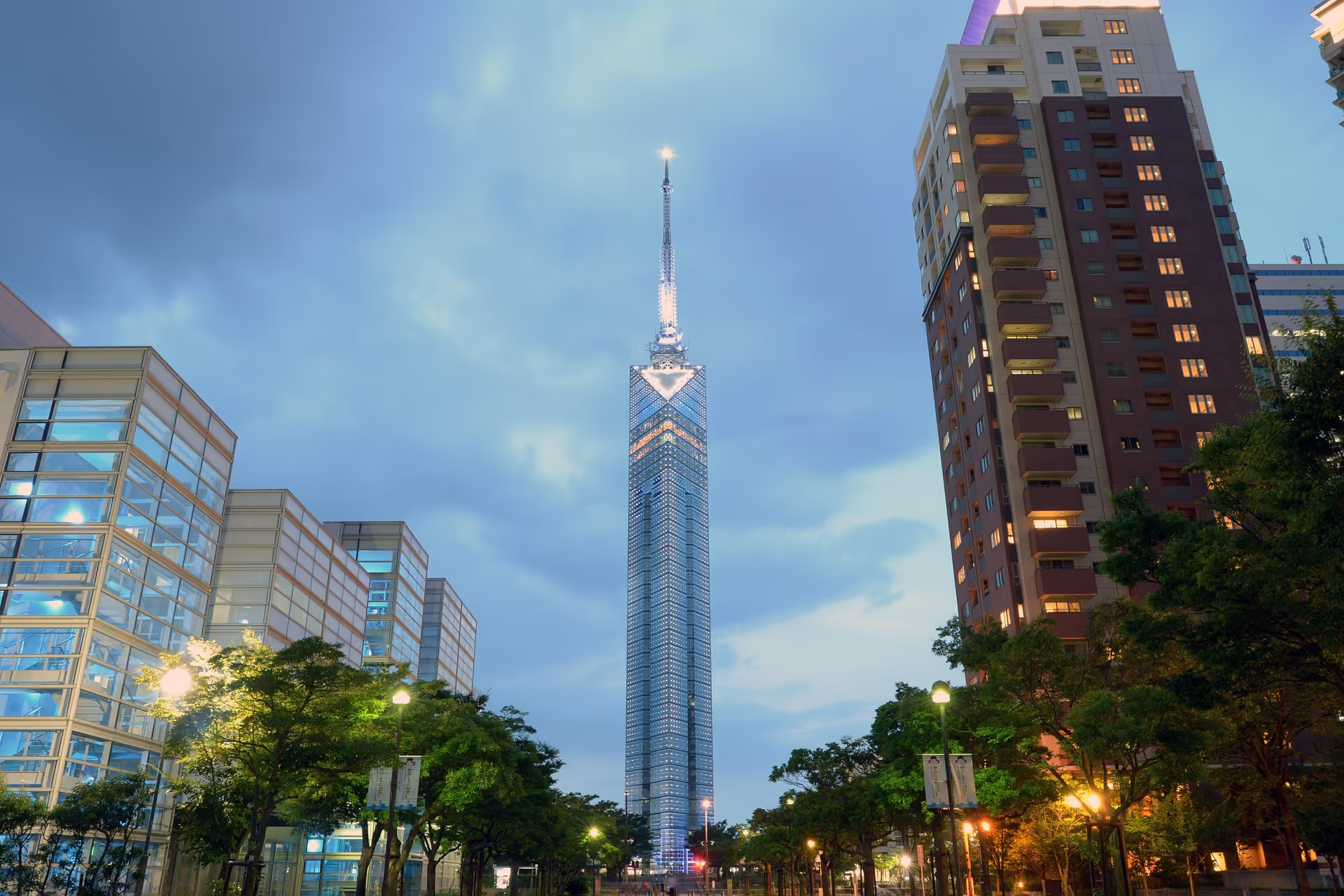
Fukuoka Tower illuminated blue at night, viewed from below

Ohori Park, Momochi and Fukuoka Tower

Ohori is the easy park choice: take the Airport Line to Ohorikoen and walk the roughly two-kilometre lakeside circuit, or turn back earlier. Allow one to two hours with a break. The main park is free; the Japanese Garden has its own fee and closing day. The park’s visitor map helps you choose a route.

Momochi gives you the seafront and Fukuoka Tower. From Nishijin Station, allow roughly 20 minutes on foot to the tower area, or compare a bus to the waterfront. Plan two to three hours for travel, a shore walk and a tower visit.

The observation deck costs ¥1,000 for adults and normally opens 9:30am–10pm, last entry 9:30pm; queues can bring that forward. Check the tower’s admission and opening notices. Go up when visibility makes it worthwhile.

Fukuoka Tower with luggage

The first floor has coin lockers but no staffed suitcase storage. A large locker is 80.2cm high × 35.7cm wide × 51.3cm deep and costs ¥400; a small locker is 39.8cm × 35.7cm × 45.3cm and costs ¥200. Measure all three dimensions. Lockers may be full, so leave oversized bags elsewhere before travelling to the waterfront.

The operator suggests around 45 minutes for the tower itself, plus any queue. There is no re-entry after leaving. Use the first-floor toilets before going up; café toilets are for customers. The tower FAQ is the source for locker dimensions and visitor rules. With bags or an imminent train, a central-city stop is the less complicated choice.

Kushida Shrine’s curved-roof worship hall and large sacred rope

Kushida Shrine

Kushida is closely tied to Hakata Gion Yamakasa. Allow 20–30 minutes for the grounds and the decorated float normally displayed outside June. The grounds are free and generally open 4am–10pm; the office keeps shorter daytime hours.

It sits near Hakata Machiya Folk Museum and the Kawabata shopping arcade, so it fits naturally into the Old Hakata route. Use the city’s shrine information for its location and background.

A realistic one-, two- or three-day visit

One full day: Old Hakata, food and Tenjin

Morning: start at Gion for Tochoji, continue to Hakata Machiya Folk Museum if it interests you, then Kushida Shrine.

Lunch: eat around Hakata or Canal City.

Afternoon: walk through Kawabata and towards Tenjin for shopping or a café.

Evening: choose a yatai or an indoor restaurant in the area where you finish. The core sightseeing stays close together, leaving time to eat without rushing.

Two full days: add the park and waterfront

Keep the first day above. On day two, spend the morning at Ohori and the neighbouring castle grounds, then have lunch before heading to Momochi. Use the subway towards Nishijin or a suitable bus instead of treating the whole journey as a short walk.

Visit the tower if visibility is good, then return for dinner. Swap the waterfront for a museum or covered shopping if the weather turns.

Three full days: add one outing

Use the third day for Nanzoin, Dazaifu or an outdoor trip. A shorter Nanzoin visit can leave time for an unhurried meal back in the city. Give Itoshima, a park-and-aquarium combination or a fuller Dazaifu visit more space. Choose after checking the weather and transport notices, and keep distant trips off your flight day.

Only an arrival afternoon? Store bags, eat near your hotel and walk one nearby area. Do not count a late landing as a full sightseeing day.

Daily costs and when to visit

Build the budget from the day you want

For a casual city day, allow roughly ¥3,000–5,000 per adult for meals, ¥500–1,000 for local travel, and ¥0–1,500 for the sights in these routes. That gives a working total of about ¥3,500–7,500, excluding accommodation, shopping, long-distance travel and substantial drinking. A hotpot course or coastal day adds to it.

As a simple example, a ¥640 subway pass plus a ¥1,000 tower ticket is ¥1,640 before food. A day focused on free park and shrine grounds costs less. Use the meals and paid sights you actually want to work out your own total.

Add your actual hotel quote rather than treating a headline nightly rate as dependable. Check whether the price is per room or per person, whether breakfast and local accommodation tax are included, and how the total changes for weekends or festivals. For gifts that fit your bag and journey home, use Fukuoka Souvenirs.

Choose the season for your plans

Spring and autumn are useful starting choices for a trip with plenty of walking. Cherry blossoms often draw visitors in late March and early April, but timing varies. Hakata Dontaku runs on 3–4 May; Hakata Gion Yamakasa runs 1–15 July. Check the city’s seasonal calendar before booking if festivals matter to you, and compare room availability early.

June–July brings the rainy season, and summer is hot and humid. Plan shorter outdoor stretches, water and indoor breaks. In winter, bring layers for the waterfront rather than assuming southern Japan is always warm.

For rain, keep Tenjin’s underground shopping, a museum and an indoor meal as a practical alternate day. Check each museum’s closing day before making the swap.

The small checks that make arrival easier

Save your hotel’s Japanese address, the correct station exit and an offline copy of the subway map. Arrange mobile data before relying on live routes outside the city. Carry a little cash even if you normally pay by card. Ask your hotel about baggage storage before check-in and after checkout; station lockers are a fallback, not guaranteed space.

With a wheelchair, stroller or heavy bags, use the airport and station lift maps and allow for a longer exit route. Confirm access to the particular temple hall or garden you want to visit. For late outings, save a return connection and a taxi option before leaving. Keep Pacific Dawn’s emergency contacts available on your phone.

Information checked against official sources on 29 September 2026. Linked operators and attractions provide current notices; costs labelled as allowances are editorial planning estimates.

This page may contain affiliate links. Bookings through them may earn Pacific Dawn a commission at no extra cost to you.

Planning a trip? See our other guides!

Tokyo Tower illuminated above the city skyline at night.

Tokyo

Choose Tokyo districts, compare arrival and transit-card decisions, and check observation-deck and Disney tickets.

Read the Tokyo guide
Colorful storefronts and signs along a street in Osaka.

Osaka

Choose an Osaka city day or a USJ park day, with clear ticket, food and return-journey tradeoffs.

Read the Osaka guide
Fukuoka Tower in Momochi

Fukuoka Outdoors

Choose a park, waterfront walk or coastal day trip, with routes, costs and return transport.

Explore Fukuoka outdoors
Moss-covered rocks and twisted trees beside a stream in a Yakushima forest.

Yakushima

A Yakushima travel story, with notes on ferries, buses and planning time in the forest.

A path through rows of red torii gates at Kyoto's Fushimi Inari shrine.

Kyoto

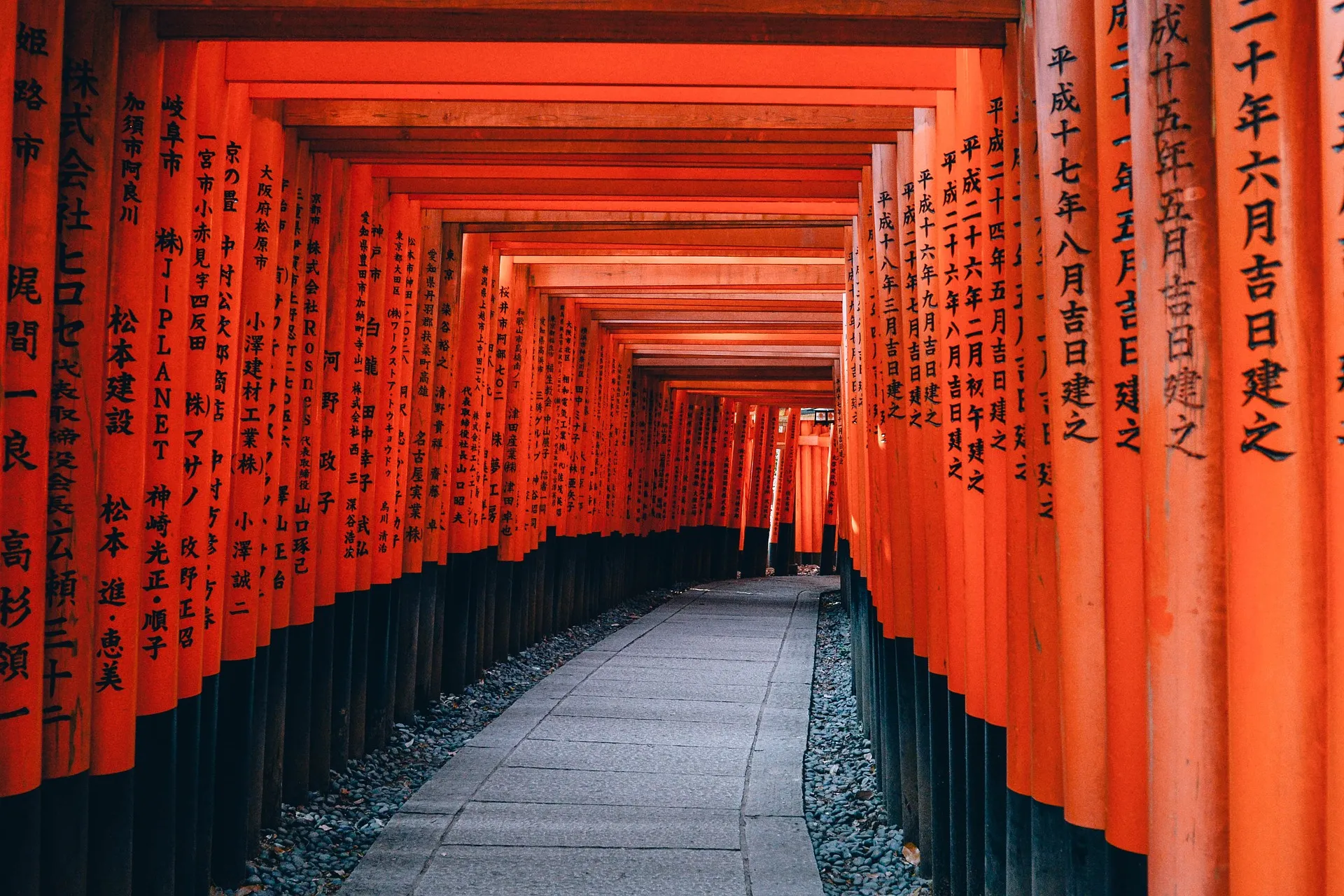
Plan Kyoto by area, from temples and gardens to Gion and evening meals.

Travel Guides

Practical advice for any trip: flights, packing, accommodation, visas and travelling safely.

Preferences

Privacy is important to us, so you have the option of disabling certain types of storage that may not be necessary for the basic functioning of the website. Blocking categories may impact your experience on the website. More information

Accept all cookiesClose cookie preferences

These items are required to enable basic website functionality.

Always active

These items are used to deliver advertising that is more relevant to you and your interests.

These items allow the website to remember choices you make (such as your user name, language, or the region you are in) and provide enhanced, more personal features.

These items help the website operator understand how its website performs, how visitors interact with the site, and whether there may be technical issues.

Thank you! Your submission has been received!
Oops! Something went wrong while submitting the form.
Open cookie preferences