Osaka Castle
Walk from Osakajokoen Station through the park to the castle museum. Check whether you want the grounds, the museum or both.
Open walking route ↗Give Universal Studios Japan its own day. For the city, choose a few stops around Namba, the castle, Umeda or the bay. You will spend less time changing trains and more time enjoying where you are.
For a first visit, allow two full city days, adding a third if USJ is a priority. A day trip can still be worthwhile: choose one major sight and a relaxed evening around Dotonbori. The plan below helps you decide what to reserve and what to leave flexible.
These are suggested plans for full days on the ground. Keep arrival and departure days lighter, especially with luggage. The visit lengths below are planning allowances; add transfers, queues and breaks.
Namba or Shinsaibashi: useful for food, shopping and evenings near Dotonbori. Nankai Namba is the city terminal for Nankai trains from Kansai Airport. Check the exact station and exit: JR Namba, Osaka-Namba and Nankai Namba are different locations within the wider district.
Umeda / Osaka Station: useful for rail connections and northern Osaka. Shin-Osaka: convenient for an early Shinkansen departure, but a separate station from Osaka/Umeda. Universal City: consider it when a park visit is the main event. Compare the complete airport-to-hotel and hotel-to-sight journey before booking.
A neighbourhood walk can keep costs down; paid sights change the total quickly. As checked on 1 October 2026, standard adult admission to Osaka Castle Museum is ¥1,200 and Kuchu Teien Observatory is ¥2,000.
Check the official links in each section for age categories and special tickets. Kaiyukan and USJ require a date-specific price check.
Budget separately for accommodation, airport travel, local transport, meals, admission and any optional Express Pass. Reserve USJ and must-do timed attractions first, then a special dinner.
Compare a transport or attraction pass only against the journeys and admissions you will actually use; a pass can exclude airport trains, JR services or particular attractions.
Use a clear day for the observatory and an ordinary wet day for Kaiyukan or the covered shops around Shinsaibashi. Book the aquarium before travelling there: rain does not create extra ticket capacity.
In hot weather, shorten park walks and leave time for indoor breaks. During severe-weather warnings, follow operator notices rather than committing to an outdoor plan.
Travelling with a stroller or limited mobility? Check station lifts and the attraction’s access route in advance. Large stations, the castle grounds and USJ can involve more walking than a map suggests. Store bags before sightseeing and keep one optional stop that you can drop.
Kansai International Airport (KIX): compare Nankai trains for Namba with JR services for Tennoji, Osaka or Shin-Osaka. Express trains can require an additional ticket or seat reservation.
The station connects to Terminal 1; allow extra transfer time if using Terminal 2. Use the airport’s official rail guide for your terminal, timetable and fare.
Itami Airport (ITM): it is a different airport. Use the transfer for the airport on your booking. Shinkansen: trains arrive at Shin-Osaka; allow for the onward train and hotel walk. For a late arrival, check the final usable connection before booking and keep a realistic backup plan.
Plan the route from your hotel to the exact entrance, including the return. Osaka Metro, JR and private railways are separate networks.
An IC card such as ICOCA is convenient for ordinary local journeys, but it is stored value rather than unlimited travel, and special services may need an extra ticket.
Compare the Osaka Metro day-pass conditions with your planned rides before buying. Save the station exit, route and last useful train for your evening; allow time to find the platform.
If Osaka and Kyoto are both in your trip, choose accommodation around the places you will spend the most time rather than changing hotels automatically.
Planning information checked 1 October 2026 (Japan). Prices, hours and ticket rules can change; use the linked official information for your travel date. This page may contain affiliate links; bookings through them may earn us a commission at no extra cost to you.

Choose between a park walk and a visit inside the castle tower. The present tower is a reconstruction containing a museum, and entering it adds admission and queue time to the day.
Check the official visitor information for opening dates and the areas your ticket covers. Map the walk from your station to the tower, rather than just to the edge of the park.
Store a suitcase first if you can. A shorter park visit works well when you have a train to catch later.
Allow: around two to three hours for the museum and a park walk, or a shorter visit to the grounds. The museum normally opens 09:00–18:00, with last admission at 17:30; confirm exceptions before travel. The surrounding park and separately ticketed areas are different visits.

A Studio Pass covers park admission. An Express Pass is an additional purchase for specified attractions, so you need to consider both costs.
Read the details of the Express Pass for your date: rides, assigned times, restrictions and area-entry benefits vary. Choose it around the attractions your group actually wants.
Check the timed-entry guidance for popular areas. Park admission does not guarantee access to every area whenever you like. Save the ticket, QR code and assigned times so they are easy to find.
Before the day: choose your date, check ride closures and height requirements, and install the official USJ app. Some Express Passes include advance area entry; same-day timed entry is obtained through the app after entering and is subject to availability.
Keep assigned times together when planning meals and rides. Allow the whole day and check the journey to Universal City Station and back.

Choose a place to eat, keep a second option in mind and leave the rest of the evening loose. Long queues are easier to skip when dinner does not depend on one restaurant.
Check the menu, prices, seating charges and minimum orders before sitting down. For drinks packages, read the time limit and conditions before deciding whether they suit the evening.
Leave large bags at your accommodation or in storage. The canalside paths and small restaurants get crowded. Save the station entrance and return route you will need later.
Allow: an unhurried afternoon or evening. Try takoyaki or okonomiyaki where the menu and ingredients suit you; allow freshly cooked takoyaki to cool.
Tell staff about dietary needs rather than assuming a broth or sauce is vegetarian. Have a second restaurant choice, some yen and a saved return route.
.avif)
Allow time for the exhibits rather than squeezing the aquarium between distant stops. It can also be a good plan for a wet day.
Check Kaiyukan’s visitor information for hours and tickets. The aquarium recommends advance e-tickets because hourly availability is limited.
Book a time you can comfortably reach from your accommodation. If you are considering other bay attractions or USJ, check the transfers before joining them into one outing.
Allow: roughly two to three hours inside, plus the journey and a meal if wanted. Keep this as a bay-area outing; sharing the bay with USJ does not make the two a comfortable single-day plan. Choose an entry time and check the date’s price, last admission and cancellation conditions before paying.
.avif)
The Kuchu Teien Observatory includes the 39th and 40th floors and the rooftop. Choose daylight for city detail or an evening visit for the lights, then check the weather before setting off.
The rooftop may close in heavy rain. The official access guide also shows a separate route for wheelchairs and strollers.
Check last admission and any special-event conditions if you plan to arrive late. Keep a nearby indoor option in mind when the rooftop is the main reason for going.
Allow: around one to one-and-a-half hours, plus queues and the walk from Osaka/Umeda. A sunset booking still depends on the weather. Check the rooftop status and admission conditions before buying a ticket mainly for an outdoor view.
You do not need to fit every attraction into Osaka. A few places you want to see, time for a good meal and a clear way back make a stronger day.
.avif)
Explore Tokyo by area, with advice on airport transfers, Suica and attraction tickets.

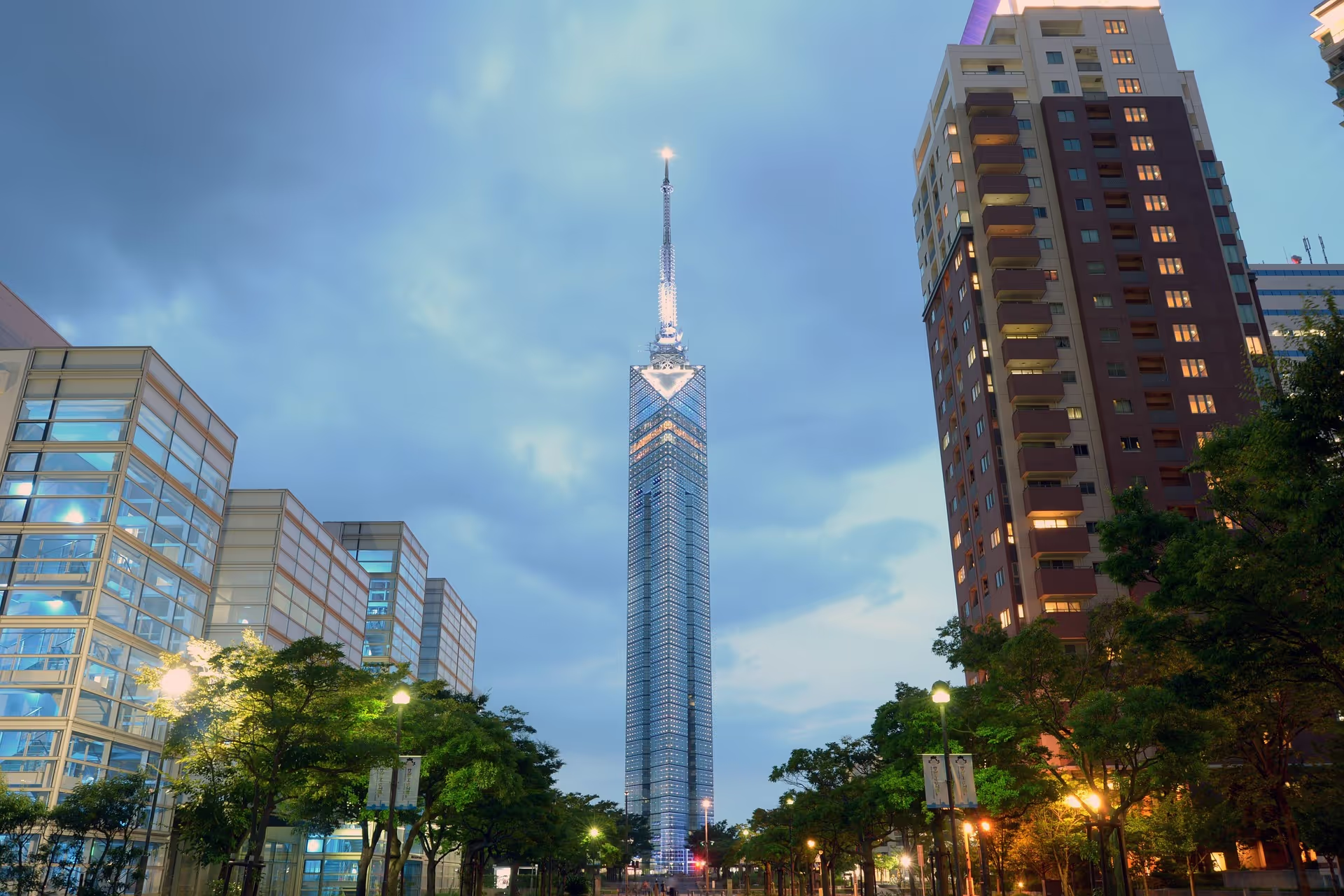
Plan Fukuoka Tower, yatai, Canal City and temple visits, then explore six focused Fukuoka guides.

A Yakushima travel story, with notes on ferries, buses and planning time in the forest.
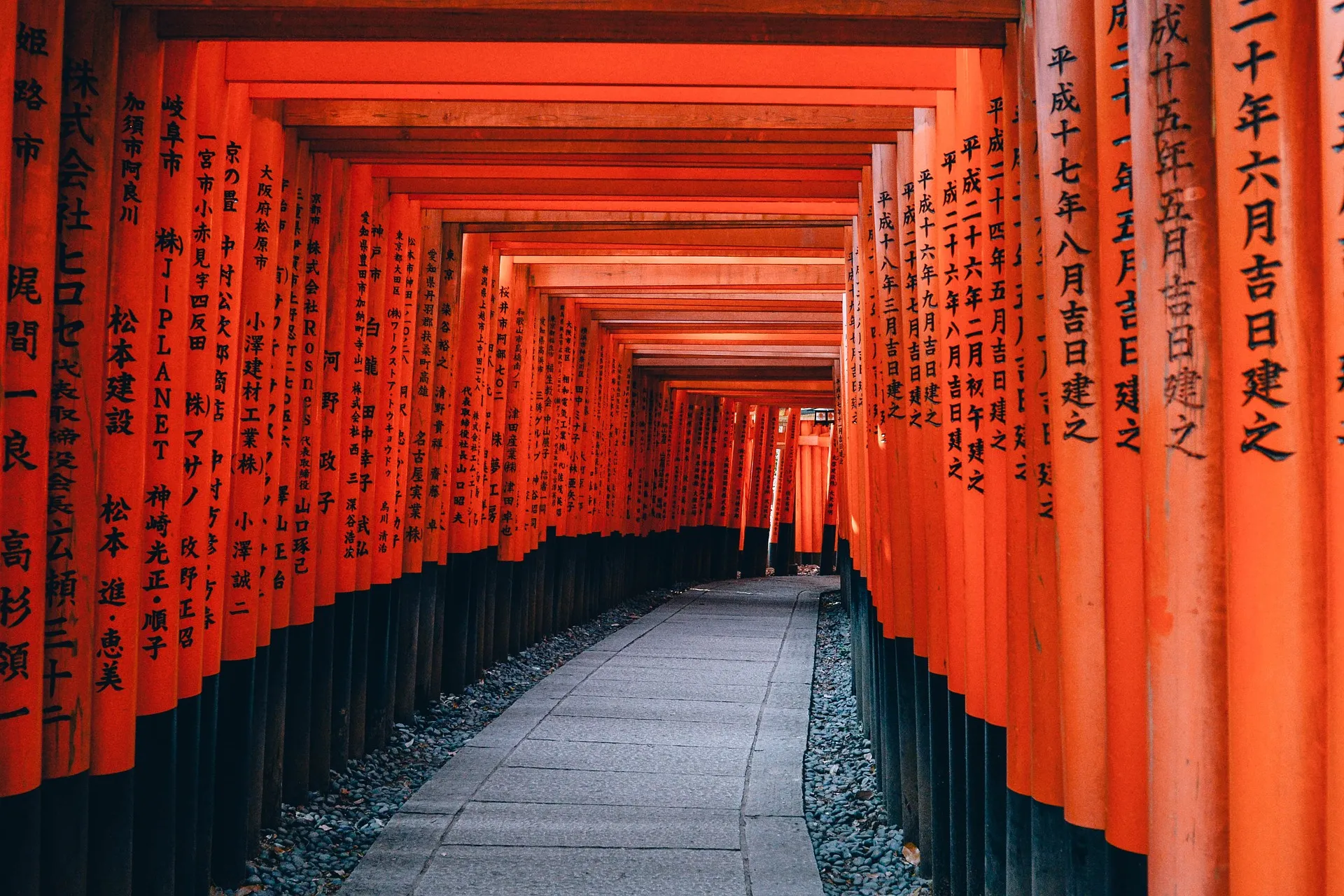
Plan Kyoto by area, from temples and gardens to Gion and evening meals.

Explore Pacific Dawn’s Japan guides for destination ideas, practical travel planning and personal experiences.
Privacy is important to us, so you have the option of disabling certain types of storage that may not be necessary for the basic functioning of the website. Blocking categories may impact your experience on the website. More information