Asakusa & the river
Start at Asakusa Station, pass Senso-ji and continue toward the Sumida River if you want more open space.
Open walking route ↗Choose a main district and leave room for a nearby stop if you feel like it.
Crossing the city repeatedly can turn a day out into a tour of stations. Keep the first day lighter if you are arriving with bags or little sleep.
A useful starting point: allow three full days for a first taste of Tokyo, plus a separate day if Disney is a priority. These are suggested planning allowances, not a list you need to finish.
Shinjuku or Shibuya suits an evening-focused visit; Tokyo Station or Shinagawa can simplify onward rail travel; Ueno or Asakusa suits a stay centred on the eastern districts.
Compare the actual airport route and station exit for your hotel, not just the district name.
A short walk from a useful station often matters more than being beside a famous sight. Check lift access and the route with luggage: large stations can involve long walks between platforms and exits.
Build each day around free neighbourhood walks, then choose the paid experiences you really want.
Add accommodation, airport transfers, local fares, meals and attraction tickets separately. Check prices for your dates before deciding that a transport pass or ticket bundle saves money.
Reserve a must-do Shibuya Sky slot and Disney admission once your dates are settled. Leave ordinary shopping and street walks flexible.
Keep some cash for small businesses, and ask about dietary needs before ordering rather than assuming a dish is suitable.
Keep a nearby museum, department-store food hall or indoor shopping stop as a rain alternative. Check its opening day first.
In hot or wet weather, shorten the outdoor route and plan breaks; a rooftop booking is especially weather-sensitive.
From Haneda, compare Keikyu via Shinagawa with the Tokyo Monorail via Hamamatsucho.
From Narita, compare the Narita Express for Tokyo or Shinjuku with the Skyliner for Nippori or Ueno. An airport bus may be easier if it serves your hotel area and you have bulky bags.
Choose by terminal, arrival time and your final hotel connection. Allow for immigration and baggage before estimating the train you can catch.
Check the last usable service and a backup for delays; the cheapest flight may need a costly late-night transfer. Narita Express and Skyliner require the appropriate reserved-seat ticket.
A Suica is a convenient pay-as-you-go option; it does not make travel unlimited. Physical Suica, Welcome Suica and mobile products have different availability, validity and refund rules. Check device compatibility before relying on a mobile version.
A physical Welcome Suica lasts 28 days including purchase day, and ordinary unused credit is not refundable.
Start with a modest balance; cash top-ups use Japanese yen. Read JR East’s Suica guide and the Welcome Suica conditions for your chosen product.
The Tokyo Subway Ticket covers Tokyo Metro and Toei Subway, not JR trains. Compare it with the actual journeys in your plan. Do not assume an IC card or subway pass includes airport limited-express supplements.
Save your hotel address, nearest exit and last return connection. For fewer stairs or a wheelchair route, check station lifts and attraction access before leaving. Leave more transfer time when travelling with children or luggage.
Visitor information checked 1 October 2026. Opening calendars, fares, ticket availability and access arrangements can change; use the official links when booking.

Allow a relaxed half day for Senso-ji, Nakamise, a meal and the surrounding streets. Start at Asakusa Station, explore the temple approach, then continue to the Sumida River if you want open space.
The temple buildings and shops keep different hours. An early walk may be quieter, but many shops will still be closed. Keep the approach clear, follow photography signs and leave room for people who are there to pray.
Eat where the vendor permits and carry your rubbish until you can dispose of it properly. Add Tokyo Skytree only if you have time for the journey and want an observation ticket; it need not be part of every Asakusa visit.
The GO TOKYO area guide has access details and nearby places. If you are continuing to Akihabara, check the train route rather than assuming the two areas are a short walk apart.
.avif)
Allow two or three hours for browsing, or longer if you are seeking particular games, manga, figures, electronics or collectibles. Pick a few shops around your interests; a spending limit and room in your luggage help too.
For secondhand goods, check condition, accessories, language, region compatibility and the return policy. Ask before opening a box or photographing a display. A console bought in Japan may need more thought than a souvenir you can simply unpack at home.
Check eligibility with the shop. For purchases on or after 1 November 2026, Japan changes to a refund system after export confirmation: you pay tax when buying, then follow the refund process.
Under that system, complete the airport customs confirmation before checking in baggage containing the purchases, and have the goods available.
Read the Japan Tourism Agency’s explanation for the full conditions and your purchase date. Compare the final cost with buying at home.

Allow a half day for the crossing, Hachiko area, shops and a meal. Choose a precise meeting spot because station entrances and popular landmarks get busy. Add Harajuku or Meiji Jingu only if you want a longer outing.
Keep the crossing moving and take photos from somewhere you can stop safely. Leave room around your booked viewpoint time instead of scheduling a tight connection from another district.
Check the weather, entry time and booking conditions before choosing a slot. The outdoor area may close in unsuitable weather, so a ticket does not guarantee the rooftop experience you have seen in photos.
If adult online tickets are sold out, do not rely on buying one at the counter. Follow the Shibuya Sky visitor guidance to the operator’s booking page. An evening at street level is still a good option without a rooftop ticket.
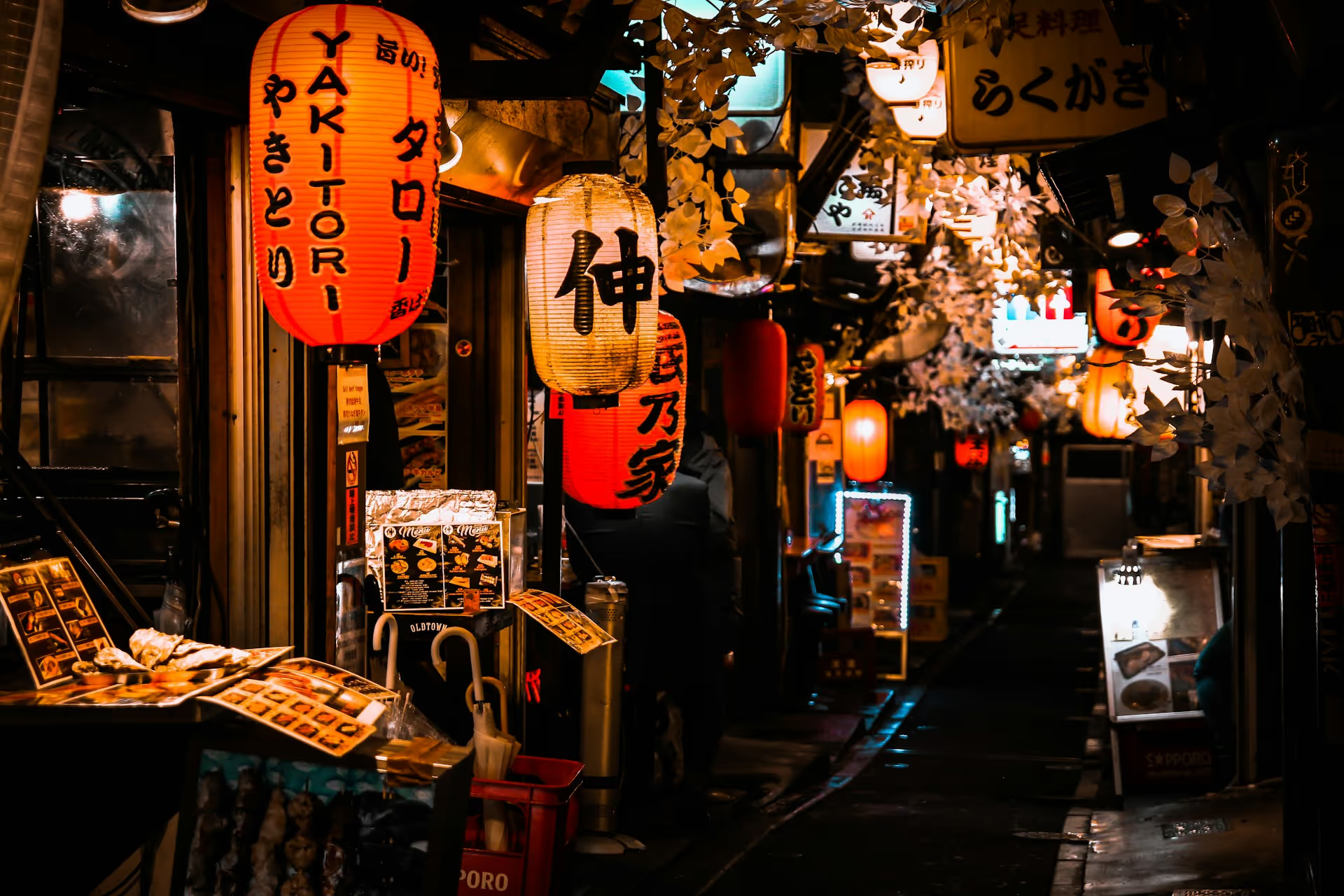
Choose a garden visit, the Metropolitan Government area or an evening around Golden Gai, Omoide Yokocho and Kabukicho. They make quite different outings; you do not need to cover all of them in one stop.
Allow two or three hours for the garden and a meal, or make Shinjuku your separate evening plan. For Shinjuku Gyoen, check the official opening calendar for admission, seasonal hours and closing days.
At small bars and restaurants, ask about cover charges, minimum orders, smoking and payment before sitting down. Follow photography rules and avoid street touts directing you to unfamiliar venues.
Save the station exit nearest your destination. Leave time to find your return platform, and check the last train before settling in for the evening. If busy nightlife is not your scene, a daytime garden visit and early dinner are enough.

Set aside a full day and choose the park around the rides and shows your group wants. Disneyland has the classic castle setting; DisneySea has themed ports and a different collection of attractions. Check closures, height restrictions and accessibility before buying.
A standard 1-Day Passport covers a designated date and park. Prices vary by date; compare the official ticket options and any offers for your visit. Do not assume a standard ticket lets you switch parks.
Tickets usually go on sale at 2 p.m. Japan time for admission on the same date two months later. Check the official ticket calendar for exceptions and availability before you commit to a park day.
Admission, paid priority access and restaurant bookings are separate. Disney Premier Access is an optional paid service with limited availability, purchased after entering the park.
Set up the official app before your visit and avoid building the day around an extra you have not secured.
For rail access, use Maihama Station on the JR Keiyo or Musashino Line, then follow the official directions for your park. Include food, transport and any paid extras in the budget. Leave time for queues, weather and the journey back.
.avif)
Explore Tokyo by area, with advice on airport transfers, Suica and attraction tickets.

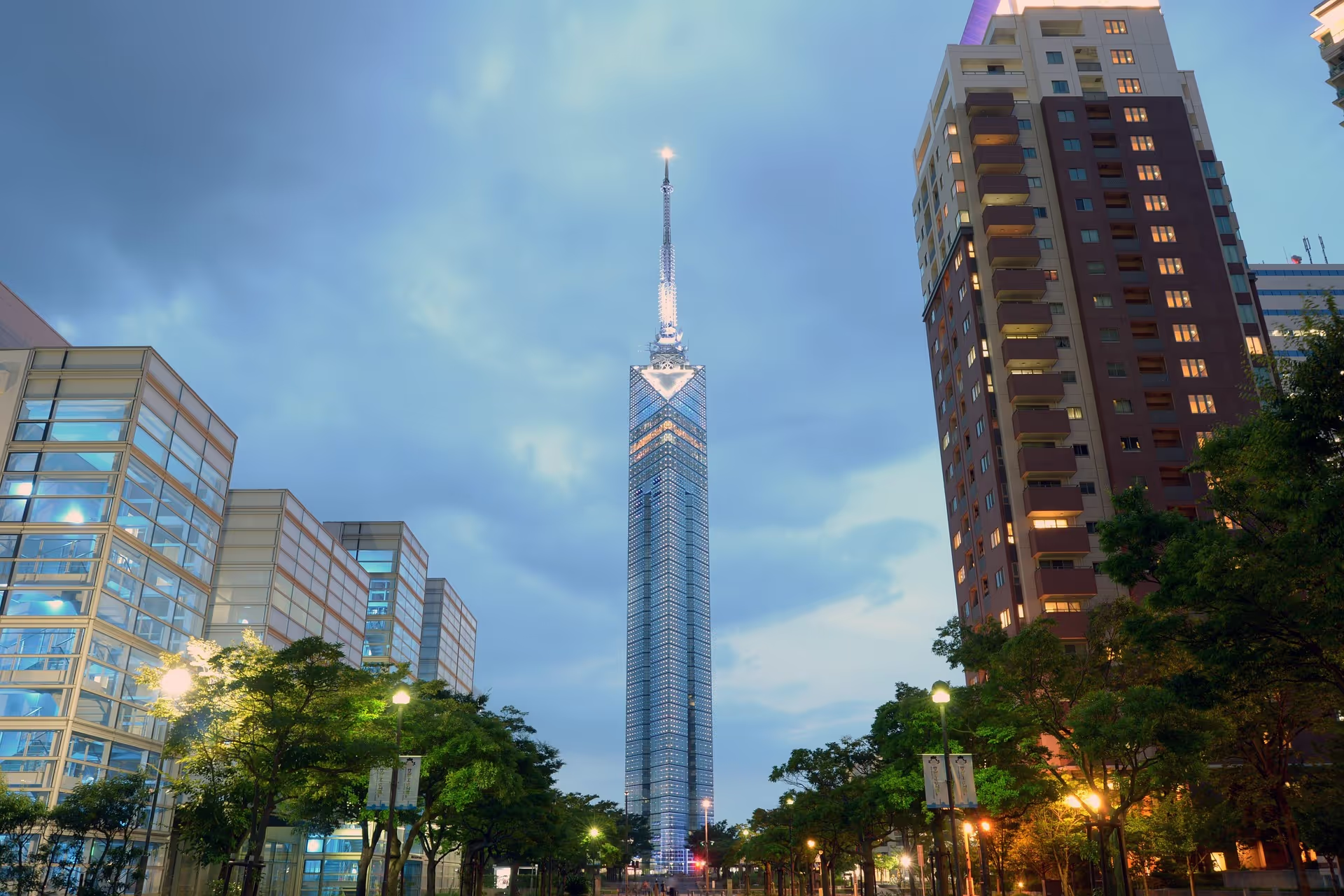
Plan Fukuoka Tower, yatai, Canal City and temple visits, then explore six focused Fukuoka guides.

A Yakushima travel story, with notes on ferries, buses and planning time in the forest.
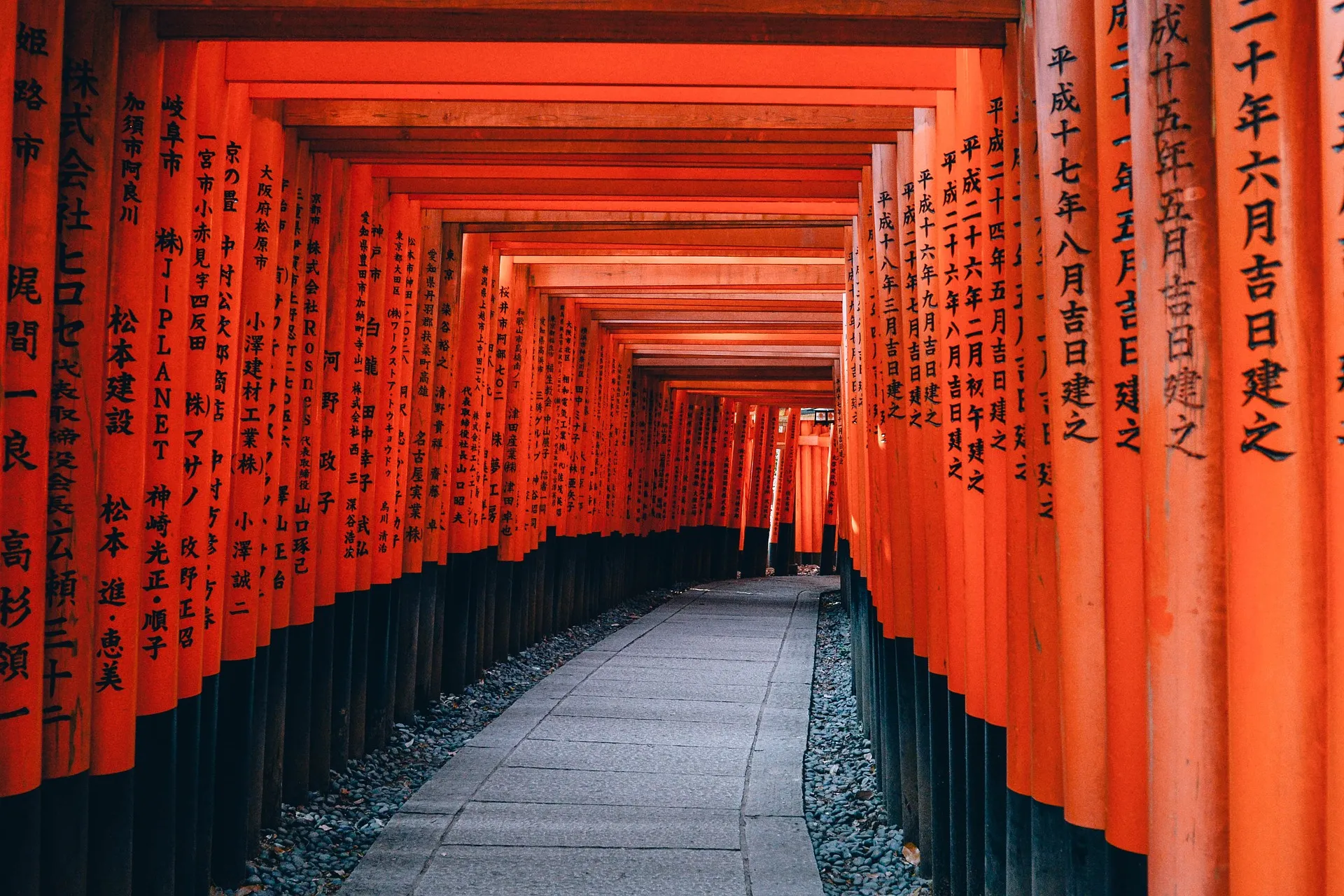
Plan Kyoto by area, from temples and gardens to Gion and evening meals.

Explore Pacific Dawn’s Japan guides for destination ideas, practical travel planning and personal experiences.
Privacy is important to us, so you have the option of disabling certain types of storage that may not be necessary for the basic functioning of the website. Blocking categories may impact your experience on the website. More information